
Acne Scar Treatment in Dubai: Laser, Peels and Other Options
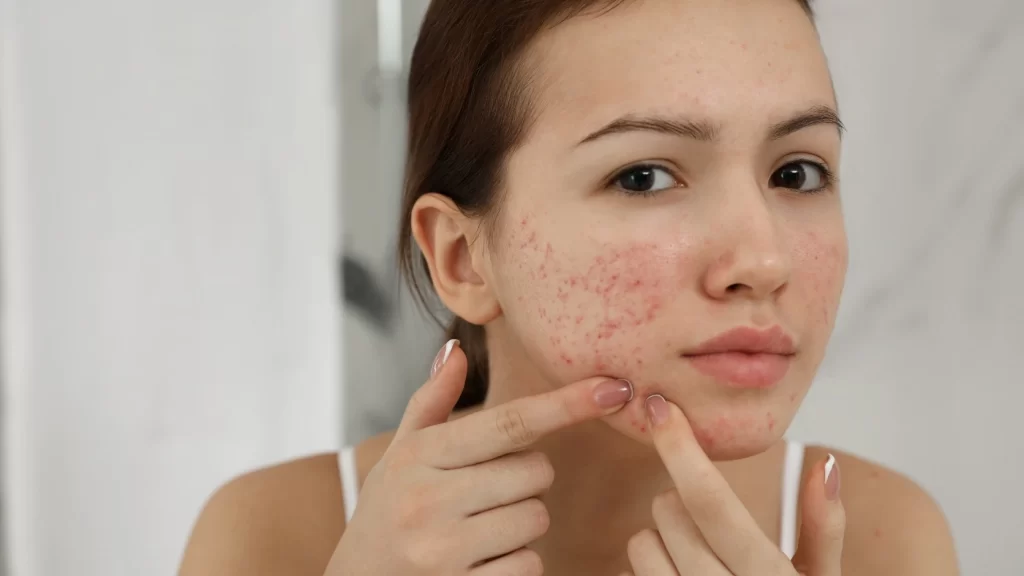
Acne scars can affect skin texture, confidence and overall appearance long after acne has healed. Fortunately, several treatments can reduce their visibility and improve skin smoothness. At V Hope Medical Center, patients can explore skin care solutions that suit their skin type, scar pattern, and individual concerns. Choosing the right acne scar treatment in JLT starts with understanding the different scar types and the treatment options available in Dubai.
What Causes Acne Scars?
Acne scars often develop when inflamed pimples damage the deeper layers of the skin. As the skin heals it may produce too little or too much collagen, leading to uneven texture or raised areas. Picking squeezing or repeatedly irritating acne lesions can increase the risk of scarring.
Some marks left by acne aren’t permanent scars. Some are flat red, brown or dark marks caused by inflammation and pigmentation changes. These marks can fade over time but deeper scars often require professional treatment.
Understanding the difference between acne marks and true acne scars will help you choose the best treatment. A trained skin care specialist can evaluate your skin and recommend options based on the type and severity of the problem.
Types of Acne Scars
Before choosing a treatment it is helpful to identify the type of acne scars present.
1. Atrophic Acne Scars
Atrophic scars appear as depressions or indentations in the skin. They often develop when the skin doesn’t produce enough collagen during healing.
These scars include:
- Ice pick scars: Narrow, deep openings that extend into the skin.
- Boxcar scars: Broad depressions with defined edges.
- Rolling scars: Uneven areas that create a wavy appearance.
Different scar patterns may respond better to different procedures. A combination of treatments may be recommended when several types are present.
2. Hypertrophic and Keloid Scars
Raised scars happen when the skin produces too much collagen during healing. Usually, hypertrophic scars remain within the borders of the original acne lesion, while keloids can grow beyond them.
These scars may require specialised medical assessment because treatments suitable for indented scars may not suit raised scars.
3. Post-Acne Pigmentation
Dark spots and reddish marks can remain after acne inflammation settles. Although these marks are not always true scars they can create an uneven complexion.
Topical products, selected chemical peels and appropriate sun protection may help improve pigmentation over time.
Popular Acne Scar Treatment Options in Dubai
No single treatment works equally well for every type of acne scar. The best approach depends on scar depth, skin tone, sensitivity, medical history, and whether active acne is still present.
1. Acne Scar Laser Treatment in JLT
Laser procedures are commonly used to improve uneven skin texture and the appearance of certain acne scars. Depending on the device and treatment plan laser energy can target the skin’s surface or stimulate collagen production in deeper layers.
A professional assessment can help determine whether acne scar laser treatment in JLT suits your skin concerns.
Laser options may include:
- Fractional ablative lasers: Create controlled microscopic areas of injury to encourage skin renewal and collagen remodelling.
- Non-ablative fractional lasers: Heat targeted areas beneath the skin while leaving much of the surface intact.
- Other pigmentation-focused lasers: May be considered for selected discolouration concerns rather than depressed scars.
Benefits and recovery time vary by laser type, settings and individual skin response. Redness, swelling, temporary pigmentation changes and irritation can occur. Darker-skinned people may be at greater risk of post-inflammatory hyperpigmentation with certain laser procedures, making careful treatment selection particularly important.
Several sessions may be needed to achieve gradual improvement. Results also depend on scar type and depth, and complete scar removal is not always possible.
2. Chemical Peels for Acne Scars
Chemical peels use selected acids to exfoliate the skin and encourage surface renewal. They may improve mild textural irregularities, clogged pores and post-acne pigmentation.
Common options include salicylic acid, glycolic acid and other professionally selected peeling agents. The peel’s strength and type should match the patient’s skin condition and treatment goals.
Superficial peels generally involve less downtime but may require repeated sessions. Stronger peels can cause more significant irritation and recovery time and are not appropriate for everyone.
Chemical peels are usually more helpful for superficial problems and pigmentation rather than deep indented scars. Professional guidance is important as unsuitable products or too much peeling can worsen inflammation and pigmentation.
3. Microneedling
Microneedling uses tiny needles to create micro-injuries in the skin intentionally. It helps the body heal itself and produce collagen. It may gradually improve the look of some atrophic acne scars.
The procedure is generally performed over multiple sessions, with the number depending on scar severity and skin response. Temporary redness, sensitivity and mild swelling can occur.
Microneedling is not suitable for every skin condition. Active acne, skin infections, and certain inflammatory disorders may require treatment before the procedure is considered. A qualified professional should perform it using appropriate sterile equipment.
4. Subcision for Depressed Scars
Rolling acne scars are caused by fibrous bands that tether down the deeper tissue. Subcision is a minor procedure that releases these bands beneath the skin.
By reducing the downward tension, the procedure may help the affected area appear smoother. It is sometimes combined with other treatments to address additional textural concerns.
Bruising, swelling, tenderness and other complications can occur. A qualified clinician must assess whether subcision is appropriate for the individual scar pattern.
5. Professional Skincare and Topical Treatments
Topical treatments may help manage active acne improve pigmentation, and support overall skin appearance. Depending on the concern a skincare professional or dermatologist may recommend retinoids, azelaic acid or other suitable ingredients.
These products may also be especially helpful when new acne lesions are contributing to pre-existing skin damage. However creams generally have limited effects on deep established scars compared with procedures that target deeper skin layers.
Introduce active ingredients gradually and use them as advised by a professional, especially if your skin is sensitive. Some ingredients can irritate or increase sensitivity to sunlight.
How to Select the Best Acne Scar Treatment in JLT
Choosing the right procedure takes more than picking the most popular option. Your skin needs an assessment to identify the scar type and set realistic treatment goals.
When considering acne scar removal in JLT, keep these factors in mind:
- Scar type: Indented, raised and pigmented marks may require different approaches.
- Skin tone: Certain procedures carry a greater risk of pigmentation changes in darker skin.
- Active acne: Controlling ongoing breakouts can help prevent additional scarring.
- Recovery time: Some procedures require only brief recovery, while others involve redness, peeling or longer downtime.
- Budget and sessions: Many treatments require multiple visits, so discuss the expected costs and treatment schedule beforehand.
- Medical history: Medications, previous procedures, skin conditions, and a history of abnormal scarring can affect treatment suitability.
Ask about potential side effects, expected improvement, aftercare and alternative options before proceeding. A personalised plan is often more appropriate than relying on one treatment for every scar.
Can Acne Scars Be Prevented?
Although not every acne scar can be prevented, early acne management can reduce the risk of lasting skin changes.
Consider the following habits:
- Avoid squeezing, picking, or scratching pimples.
- If you have persistent or inflammatory acne, get the right treatment.
- Use a mild cleanser and a noncomedogenic moisturiser.
- Wear broad-spectrum sunscreen (SPF 30 or higher) daily.
- Ease into exfoliating products to avoid irritation.
- Follow professional guidance if acne continues to develop or leaves marks.
Sun protection is particularly important during acne scar treatment because ultraviolet exposure can worsen pigmentation and interfere with the appearance of healing skin.
What Results Can You Expect?
Acne scar treatments usually produce gradual improvement rather than immediate, complete removal. Procedures that stimulate collagen need time for the skin to remodel and visible changes may develop over several weeks or months.
Superficial marks may improve more readily than deep scars. Some people benefit from a combination of treatments, while others may need maintenance sessions to support longer-term results.
When searching for acne scar treatment near you, look for a qualified provider who offers a proper skin assessment, explains each procedure’s benefits and limitations, and develops a treatment plan around your individual needs.
Follow the recommended aftercare carefully, avoid unapproved active skincare products during recovery, and attend follow-up appointments when advised.
Conclusion
Acne scars can be challenging, but several treatment options may help improve skin texture, reduce the appearance of pigmentation, and support a smoother complexion. Laser treatments, chemical peels, microneedling, subcision and topical skincare each offer different benefits and have different limitations.
The most suitable acne scar treatment in JLT depends on your scar type, skin tone, medical history and desired outcome. A professional consultation can help you grasp your options and choose a safe, realistic approach. With the right treatment, consistent skincare, and sun protection, many people can see noticeable improvements in the appearance of acne scars over time.
